Bat Door Topper Stl: 3D Printing & Home Decor Asset Review
In the world of digital publishing, the difference between a scroll-past and a click-through often comes down to visual trust. As a blog designer who has spent years curating assets for editorial layouts and affiliate marketing sites, I look at every graphic design asset through a specific lens: does it elevate the content? Does it signal quality to the reader before they even read a single word? Recently, I evaluated a file titled Bat Door Topper Stl, marketed within the Home Decor and 3D Printing categories. While its primary classification suggests physical manufacturing, understanding its visual DNA is crucial for any digital publisher considering how such aesthetic motifs can influence website presentation, social media engagement, and brand identity.
The product description notes that this is a digital download containing one STL file intended for creating physical end products, specifically referencing details like a "Mr and Mrs cake topper." It explicitly states, "THIS IS NOT AN SVG FILE." For the digital marketer or web designer, this distinction is vital. You cannot simply drop an STL into a Canva template or a WordPress header. However, reviewing the source file allows us to understand the geometry, the negative space, and the overall mood of the design. This review explores how the visual principles behind this 3D Printing asset translate to editorial design, helping you decide if this aesthetic fits your content strategy.
First Impressions: Editorial Mood and Visual Hierarchy
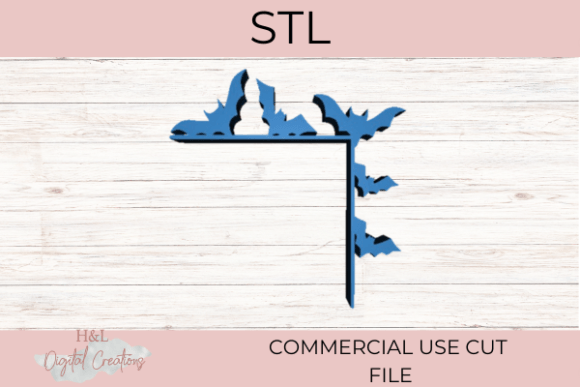
When we analyze the Bat Door Topper Stl, the immediate takeaway is its decorative nature. The silhouette of a bat, particularly when styled as a door topper or cake accent, carries strong connotations of whimsy, seasonal celebration, and playful elegance. In editorial terms, this creates a mood that is neither strictly corporate nor purely minimalist. It leans toward lifestyle-focused, artistic, and slightly bold. For a content creator, this means the asset signals fun and creativity.
If you are building a niche site around party planning, DIY home decor, or creative parenting, this visual language supports your narrative instantly. It feels modern yet traditional, suitable for readers who appreciate handcrafted aesthetics. However, for a serious professional niche—such as finance, legal advice, or B2B tech—the bat motif may clash with the required tone of authority and minimalism. Understanding this emotional resonance is the first step in maintaining a consistent brand identity across your digital properties.
From Physical Geometry to Digital Graphics
Since the product is an STL file for 3D printing rather than a vector graphic for web use, the direct application requires a translation process. The prompt mentions that you receive digital files for making 3D Printed goodies. To utilize this in your content marketing or affiliate marketing workflows, you would typically need to convert the concept into a 2D format or use high-quality renders of the final printed object. This is where the value lies for the digital publisher: using the *idea* and *visual style* of the Bat Door Topper Stl to create original blog graphics, Pinterest pins, or social media visuals that mimic that polished, crafted look.
Imagine a lead magnet or a digital guide on "How to Host a Spooktacular Halloween Party." Using a clean, vector-based interpretation of this bat motif can serve as a powerful icon in your table of contents or as a watermark on your downloadable worksheets. It adds a layer of creative design that makes your free resources feel more premium. Similarly, for newsletter headers, a stylized bat graphic can break up text-heavy layouts without overwhelming the reader, provided it is integrated with good contrast and spacing.
Enhancing Content Performance and Reader Trust
Strong visual hierarchy is not just about making things look pretty; it is about guiding the user’s eye. A well-designed graphic element can improve click-through potential by making headlines pop. If you are designing category thumbnails for a blog section dedicated to Home Decor, a consistent bat-themed accent (inspired by assets like this) can create stronger category recognition. Readers begin to associate that specific visual cue with your unique take on seasonal content.
Furthermore, in the realm of affiliate marketing, trust is currency. Professional-looking content pages suggest that the recommendations within are equally well-vetted. By ensuring your images are crisp, properly compressed, and stylistically aligned, you reduce cognitive load for the visitor. They stay longer, they read more, and they are more likely to engage with your calls to action. The Bat Door Topper Stl, when translated into a cohesive visual theme, supports this polished appearance.
Strategic Placement in Your Publishing Workflow
Not every image belongs everywhere. Based on the decorative and somewhat intricate nature of this design asset, here is where it shines and where it might falter in a real-world publishing environment.
- Hero Images and Website Headers: When used as a background element or a side accent in a hero section, the bat motif can add character without obscuring key text. Ensure there is enough negative space so your headline remains readable.
- Pinterest Pins and Social Media Previews: These platforms thrive on vertical, eye-catching visuals. A bold bat silhouette against a contrasting background performs well here. It stops the scroll because it is distinct from generic stock photography.
- Digital Guides and eBooks: Use this aesthetic for chapter dividers or cover art. It helps define the book’s genre immediately, signaling to the buyer that this is a creative, hands-on resource.
- Email Newsletter Graphics: Small icons next to bullet points or as separators between sections can add a touch of personality to your copy.
Conversely, exercise caution with small mobile thumbnails. Intricate details from a 3D model may become muddy pixels when scaled down to 150x150 pixels. Avoid placing this asset on busy layouts or low-contrast backgrounds where readability suffers. If your website relies on a very minimal visual system, a complex bat topper might introduce too much visual noise.
Practical Publisher Notes for Implementation
Before integrating any new visual element into your content ecosystem, follow these technical checks to ensure optimal performance and legal safety.
- Format Conversion: Since this is an STL file, do not attempt to upload it directly to your media library. Convert the design into SVG or PNG formats using graphic design software. This ensures scalability and web compatibility.
- Font Pairing: Test the bat graphic alongside various font styles. It pairs beautifully with serif fonts for a classic editorial look, but also works with handwritten or script fonts for a personal, crafty vibe. Avoid pairing it with rigid display fonts unless aiming for a specific retro aesthetic.
- Contrast and Readability: Always preview your graphics in black and white. If the design loses its impact without color, it may lack sufficient structural strength. Check contrast ratios to ensure accessibility compliance.
- File Size Optimization: Compress all images properly. Large, uncompressed files slow down page load times, which negatively impacts SEO and user experience. Aim for lightweight PNGs or WebP formats.
- Licensing Verification: Confirm commercial licensing before using this design on monetized websites, affiliate pages, or paid content products. Even though the source is for 3D printing, repurposing the visual for digital goods requires clear rights to avoid copyright issues.
Ultimately, the Bat Door Topper Stl serves as a reminder that inspiration often crosses boundaries. While designed for the tangible world of 3D Printing and Home Decor, its visual language holds significant value for digital publishers willing to adapt it thoughtfully. By respecting the technical limitations and leveraging its decorative strengths, you can create a more engaging, trustworthy, and visually compelling online presence.