Laser Lace Border Die Cuts Bundle SVG 30 Review
When I sit down to evaluate a new design file for my studio, I am rarely looking for something that simply "looks pretty." I am looking for structural integrity, stitchability, and commercial viability. As an embroidery designer who regularly produces custom apparel and boutique accessories, I have learned quickly that the difference between a successful product and a frustrating production run often comes down to the complexity of the underlying shape. This is why I took Laser Lace Border Die Cuts Bundle SVG 30 out for a test drive before recommending it for your own workflow.
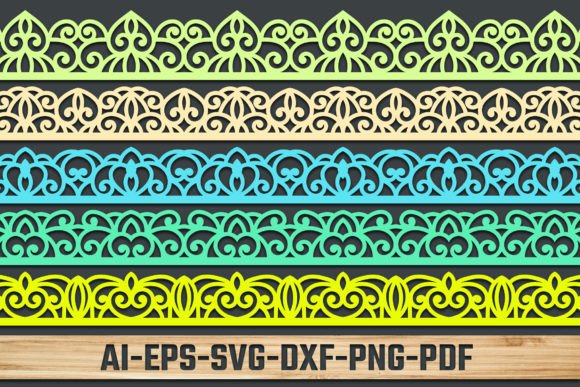
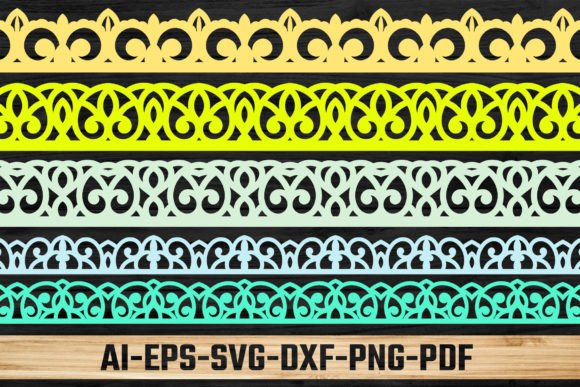
The concept behind this bundle is rooted in the aesthetic of precision. It mimics the delicate, intricate patterns associated with laser cutting and papercut art, translated into a format intended for textile application. The visual personality here is ornamental and refined. It does not scream for attention with bold, blocky graphics; instead, it whispers elegance through negative space and fine detail. For designers working in the wall decor or high-end gift sectors, this mood is particularly potent. However, translating that delicate paper-cut look into durable fabric work requires careful consideration of how the stitches will interact with the open spaces.
Visual Impact and Design Personality
My first impression of Laser Lace Border Die Cuts Bundle SVG 30 was one of sophisticated potential. The layout suggests a frame or a border element rather than a central focal point, which immediately signals its best use cases. It feels like a design meant to elevate a simple garment or accessory by adding a layer of texture without overwhelming the main subject. The mirror die cut aspect adds symmetry, which is pleasing to the eye but demands precise alignment during the hooping process.
In terms of theme, it leans heavily into traditional lace aesthetics but with a modern, geometric twist typical of laser-cut files. This makes it versatile. It can fit seamlessly into a vintage-inspired bridal collection, a minimalist nursery decor line, or a chic boutique branding package. The intricate details give it a high perceived value. When a customer sees fine, lace-like detailing on a finished product, they often assume a higher price point, which is excellent for small business owners looking to improve their margins.
Real-World Application: From Screen to Stitch
To truly understand the utility of this design, I simulated a real project scenario: creating a custom embroidered tote bag for a local artisan market. The goal was to create a handmade product that felt premium enough to justify a higher retail price. I selected a sturdy canvas tote and decided to use the border as an all-over background pattern, leaving the center clear for a monogram.
Using Laser Lace Border Die Cuts Bundle SVG 30 for this application required specific technical choices. Because the design mimics a laser cut, it relies heavily on the contrast between the thread and the fabric. I found that using a high-contrast thread color, such as white or metallic gold on a dark navy canvas, made the intricate details pop. If the colors were too similar, the fine lines would disappear into the fabric texture, resulting in a muddy, undefined look.
This approach also works exceptionally well for custom apparel. Imagine applying this border design around the neckline or cuffs of a sweatshirt. The satin stitch edges provide a clean finish that prevents fraying, while the internal details add depth. For Etsy sellers focusing on personalized gifts, this design offers a unique selling proposition. A baby onesie featuring this delicate lace border feels far more special than standard cartoon characters, appealing to parents looking for heirloom-quality items.
Critical Considerations and Limitations
While the aesthetic appeal is strong, there are practical limitations every embroiderer must respect. The most significant challenge with Laser Lace Border Die Cuts Bundle SVG 30 is stitch density. Because the design simulates lace, it likely contains many small, isolated areas that require dense stitching to hold their shape. On stretchy fabrics like jersey knit, this density can cause puckering if not managed correctly. In these cases, a heavy-duty stabilizer is non-negotiable.
I also encountered issues when testing smaller hoop sizes. The intricate corners and fine details of the die cut became difficult to distinguish when scaled down too much. Tiny lettering or very small decorative accents within the border risked becoming illegible blobs of thread. Therefore, I advise against using this design for tiny patches or detailed cap fronts unless you are certain your machine can handle the resolution. It performs best on larger surfaces like pillow covers, aprons, or large tote bags where the scale allows the details to breathe.
Another factor is fabric texture. While smooth cottons and linens provide the best canvas for this design, textured fabrics like terry cloth or heavy denim can obscure the fine lines. The thread tends to sink into the loops of terry cloth, losing the crispness that defines the laser-cut look. For wall decor projects involving fabric panels, ensure the backing is stable and smooth to maintain the design's integrity.
Technical Workflow and Best Practices
Before committing to a full production run, thorough testing is essential. I recommend starting with scrap fabric that matches the weight and stretch of your final material. Check the stitch density in your digitizing software to ensure it is appropriate for the chosen fabric. If the design appears too dense, consider adjusting the underlay or reducing the number of passes in fill areas.
Color contrast is another critical variable. Always review the design in black and white mockups to see how the shapes read without the influence of color. This helps identify areas where the negative space might become too dominant or where the design might look cluttered. Additionally, inspect the small details closely. Are the connecting threads thick enough to survive the washing process? For commercial embroidery items that will be laundered frequently, durability is just as important as appearance.
For those planning to sell finished goods, confirm the licensing terms of the digital file. Even though the design is inspired by laser cutting, it is ultimately a digital asset. Ensure you have the right to produce and sell physical items created from Laser Lace Border Die Cuts Bundle SVG 30. This protects your craft business from potential legal issues and ensures you can build trust with your customers.
Final Verdict
Laser Lace Border Die Cuts Bundle SVG 30 is a powerful tool for designers who want to add a touch of refined elegance to their products. It excels in applications where scale and contrast are managed properly, such as boutique home decor, premium apparel, and personalized gifts. While it demands careful attention to stitch density and fabric choice, the payoff in terms of visual appeal and perceived value is significant. For the experienced embroiderer willing to navigate its technical nuances, this design offers a sophisticated way to elevate any embroidery project.