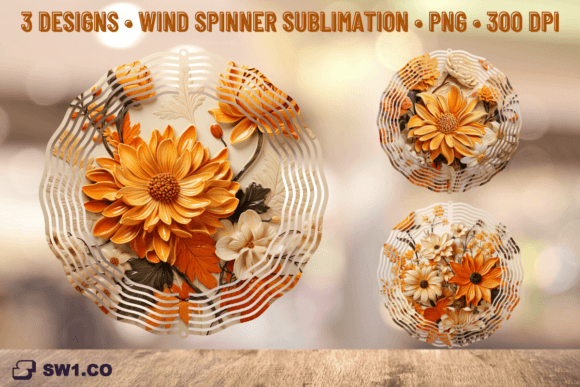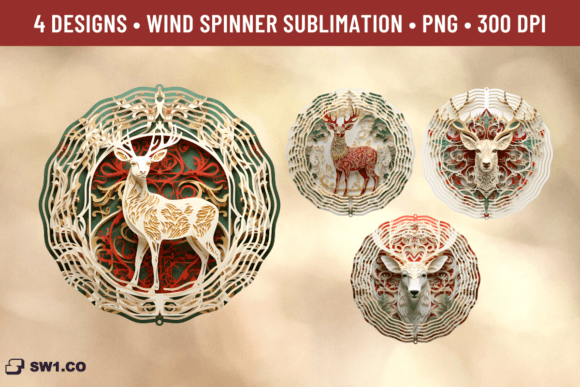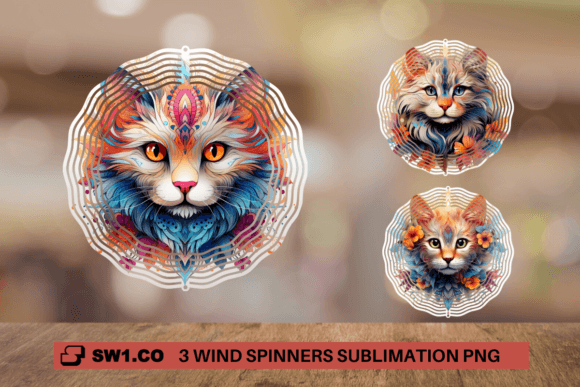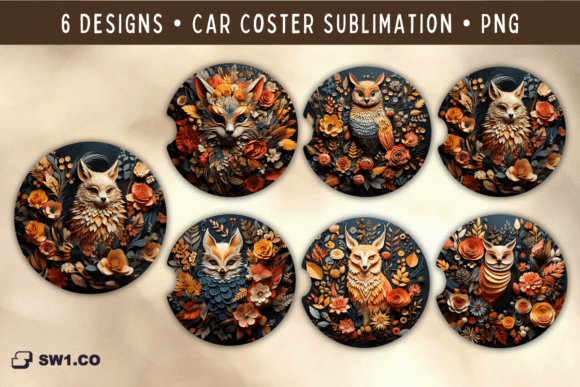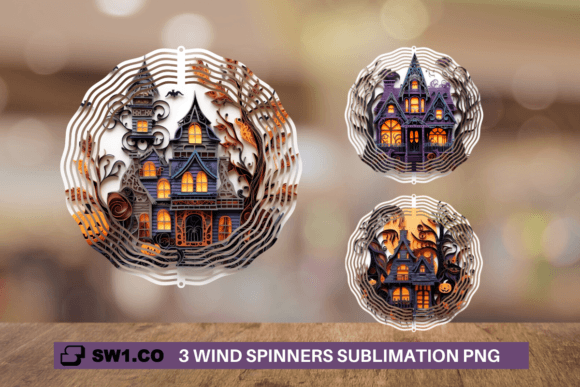
Wind Spinner 3D Paper Art Haunted House Graphics and Crafts
When I first pulled the Wind Spinner 3D Paper Art Haunted House into my design workspace, my immediate reaction was to assess its structural integrity rather than just its aesthetic appeal. As a brand designer who frequently collaborates with local businesses, I don’t just look for pretty images; I look for assets that can carry weight in a commercial environment. This particular graphic design asset offers a unique blend of dimensional depth and playful spookiness, making it an intriguing candidate for seasonal branding projects.
The mood created by this piece is distinctly festive yet sophisticated. It avoids the cliché of cheap, scary Halloween decor, leaning instead toward a whimsical, handcrafted charm. For a local business owner—whether you run a boutique bakery, a cozy coffee shop, or a handmade soap studio—this visual language suggests a brand personality that is friendly, creative, and community-focused. It feels premium without being stiff, and playful without being childish. This balance is crucial when trying to attract customers who value authenticity and artisanal quality in their purchases.
Evaluating Visual Hierarchy and Brand Personality
In the context of small business branding, every element must serve a purpose. The Wind Spinner 3D Paper Art Haunted House PNG design brings a strong focal point to any layout. Its intricate paper-cut style creates natural negative space and shadow effects that mimic real-world lighting. This allows it to function effectively as a hero graphic on social media graphics or as a decorative accent on product labels.
For a local business looking to refresh their identity for the autumn season, this asset supports a clearer visual hierarchy. By placing this illustration prominently, you guide the customer’s eye immediately to the seasonal theme, allowing your product name or key offer to sit comfortably within the composition. It enhances emotional connection by evoking nostalgia and the tactile joy of fall decorations. Whether used for a florist’s holiday arrangement card or a candle brand’s limited-edition scent launch, it adds a layer of polish that elevates the perceived value of the item.
Practical Applications for Packaging and Promotional Materials
One of the most valuable aspects of this asset is its versatility across various touchpoints. When designing for physical products, consistency is key. Here is how this graphic design asset can integrate into real-world scenarios:
- Product Labels and Stickers: The clean edges of the PNG design make it ideal for die-cut stickers. Imagine these placed on the neck of a wine bottle or the lid of a jar of homemade jam. It provides a instant seasonal cue without overwhelming the essential information like ingredients or net weight.
- Packaging Accents: For boutique stores selling handmade goods, this asset works beautifully as a wrap-around band or a hang tag insert. It transforms standard brown kraft paper packaging into a branded experience that feels curated and thoughtful.
- Social Media Campaigns: In digital marketing visuals, the 3D effect translates well to screen. Use it in Instagram stories or Facebook ads to announce a seasonal sale. The depth of the image stops the scroll, offering a break from flat, two-dimensional stock photography.
- Printable Inserts and Thank-You Cards: Include a printed version of this art in your shipping boxes. It serves as a memorable takeaway that reinforces your brand’s attention to detail and care for the unboxing experience.
Furthermore, for food businesses and home decor shops, this asset can anchor a cohesive campaign. If you are launching a new line of autumn-themed candles, using this haunted house motif consistently across your website banners, price lists, and flyers ensures that your brand identity remains unified. Customers begin to associate that specific whimsical style with your business, building recognition over time.
Strategic Placement and Design Considerations
While the Wind Spinner 3D Paper Art Haunted House is versatile, a professional approach requires knowing where it shines and where it might cause clutter. It works best when given room to breathe. As a decorative brand element, it should not compete with critical text. Avoid placing it directly behind small body copy or legal disclaimers, as the intricate details may become illegible at smaller sizes.
Be cautious when using this asset for formal corporate branding or luxury minimalist brands. The playful nature of the haunted house theme may clash with a serious, high-end corporate image. Similarly, on very small labels where detail loss is inevitable, the fine lines of the paper art might blur, reducing its impact. In such cases, consider simplifying the asset or using it only as a background texture with low opacity.
Another critical consideration is contrast. Ensure the asset is placed on backgrounds that allow its shadows and highlights to pop. Low-contrast backgrounds can flatten the 3D illusion, making the design look muddy. Test the PNG transparency thoroughly against your brand colors to ensure it integrates seamlessly rather than appearing pasted on top.
Technical Notes for Implementation
From a technical standpoint, the inclusion of high-resolution PNG files (such as the 10.5 in x 10.5 in format mentioned in typical downloads) provides ample flexibility for both digital and print uses. However, as a designer, I always recommend taking extra steps before finalizing your project:
- Mockup Testing: Always view the asset on realistic product mockups. A graphic that looks great on a white canvas may behave differently when wrapped around a curved box or printed on textured paper.
- Font Pairing: Experiment with different typefaces alongside this illustration. It pairs well with bold display fonts for headlines but needs careful balancing with script or handwritten fonts for tags. Avoid serif fonts that are too ornate, which might compete with the detailed artwork.
- Color Adaptation: Check how the asset looks in black and white. Good design should hold up even without color. If the shapes rely solely on color to be understood, they may lose effectiveness in monochrome printing scenarios.
- Licensing Verification: Before using this for client work, physical product sales, or large-scale commercial design, confirm the commercial license terms. Understanding the rights associated with the design assets protects your business from potential legal issues.
In conclusion, the Wind Spinner 3D Paper Art Haunted House is more than just a clipart image; it is a strategic tool for enhancing product presentation. When used thoughtfully, it strengthens first impressions, improves shelf appeal, and contributes to a polished marketing strategy. For local business owners seeking to add a touch of seasonal magic to their professional branding, this asset offers a reliable foundation for creating memorable customer experiences.