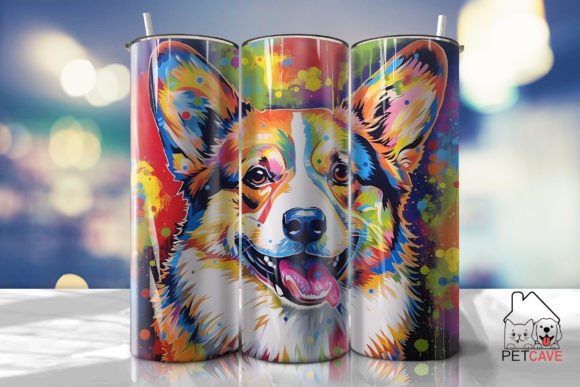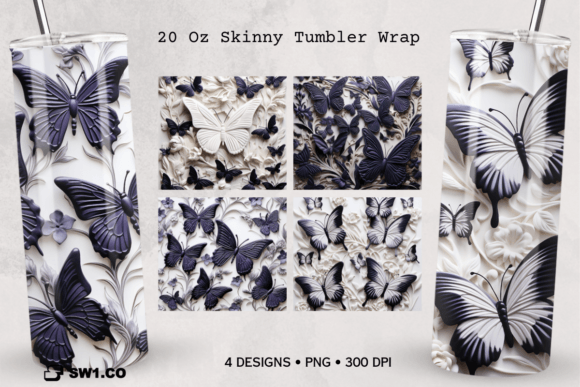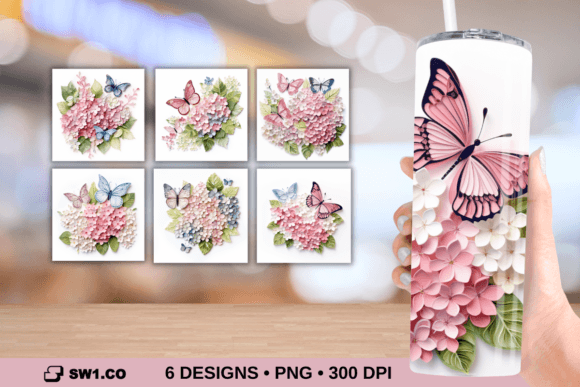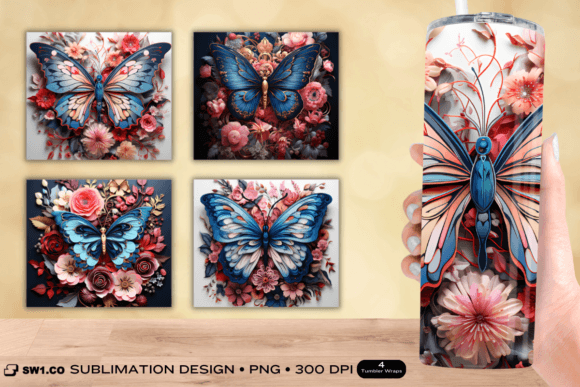
3D Nature Art Tumbler Wrap Review
As a designer who spends more time staring at stitch charts than sleeping, I approach every new digital asset with a healthy dose of skepticism. The market is flooded with generic clip art disguised as embroidery files, and too often, what looks stunning on a screen falls apart under the needle. That is why when I pulled up 3D Nature Art Tumbler Wrap, I didn’t just look at the preview image; I looked for structural integrity, visual balance, and commercial viability. This isn’t just another decorative graphic; it is a specialized machine embroidery design intended for a very specific format: the 20 oz skinny tumbler.
First Impressions and Visual Mood
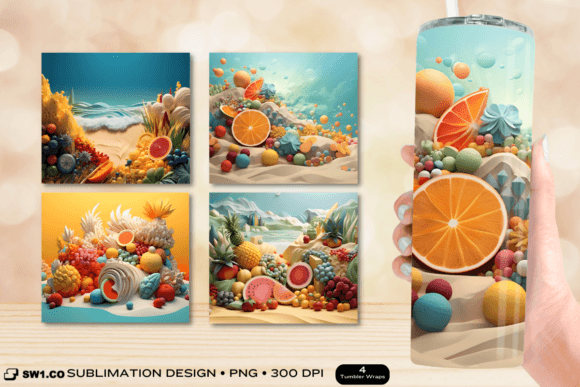
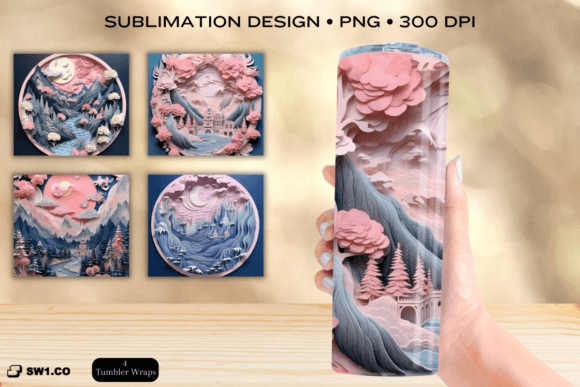
The moment you load the file, the "3D" aspect catches your eye. In embroidery terms, this usually implies a reliance on high-density fill stitches to create depth, or perhaps a clever use of color gradients to simulate dimension. For a 3D Nature Art Tumbler Wrap, the theme is organic—likely featuring leaves, vines, flowers, or forest elements that wrap seamlessly around the cylinder of a travel mug. The mood it creates is earthy, premium, and modern. It moves away from the childish cartoon nature styles often seen in baby clothes and steps into the realm of boutique lifestyle branding.
Visually, the layout feels intentional. A wrap design must account for the curve of the tumbler, meaning the artwork cannot have harsh straight edges that would clash with the product’s silhouette. From my experience reviewing embroidery files, designs that fail to respect the container’s geometry look slapped-on rather than integrated. This design appears to flow naturally, suggesting it was built by someone who understands both the artistic composition and the physical constraints of sublimation-ready embroidery projects.
Real-World Application: Beyond the Mug
While the title specifies a tumbler wrap, a seasoned Etsy seller or small shop product creator knows that versatility is key. Can this 3D Nature Art Tumbler Wrap be adapted? Absolutely. I immediately thought about using this motif on custom apparel, specifically oversized sweatshirts where the nature print could run down the side seam or across the back. It would also translate beautifully to a tote bag design, particularly for canvas bags sold at craft fairs alongside matching tumblers.
Imagine a holiday gift set: a personalized coffee tumbler wrapped in this intricate nature art, paired with a matching embroidered apron or a kitchen towel. The cohesion between these items elevates the perceived value of the entire package. For craft business owners, this kind of cross-product applicability is gold. It allows you to market a single design concept across multiple price points, from low-cost digital downloads to high-ticket finished goods.
I also see potential in nursery decor. While a tumbler might not belong in a crib, the same graphics could be digitized slightly differently for a pillow cover or a blanket border. The soft, natural aesthetic fits perfectly with the current trend toward muted, organic tones in baby products. However, one must be careful not to stretch the design too thin; its primary strength lies in its cylindrical application.
Technical Performance and Stitch Clarity
When evaluating how a design performs in real-life situations, we look at stitch density and detail retention. A common pitfall in nature-themed designs is overcrowding. If the leaves are too dense, the fabric puffs up, losing the crispness of the individual elements. Conversely, if the lines are too fine, they may break during the washing process, especially on a frequently handled item like a tumbler.
The 3D Nature Art Tumbler Wrap seems to strike a balance. The "3D" effect likely utilizes varying shades of thread to create shadows and highlights, which requires a thoughtful selection of thread colors. If you are using this for commercial embroidery, you need to ensure your thread inventory can support the necessary palette. Monochromatic schemes (greens, browns, creams) work well here, but adding a pop of contrasting color for berries or accents can make the design sing.
For those considering this for an embroidered patch, the wrap format might require modification. Patches usually need a defined border and a flat layout. However, if you are creating a large back panel for a denim jacket, this wrap style could be adapted to follow the curve of the shoulder blades, offering a unique, custom look that stands out in a sea of standard logos.
Where Caution Is Required
No design is perfect for every scenario. There are specific situations where you should exercise extreme caution with the 3D Nature Art Tumbler Wrap.
- Small Hoop Sizes: If you attempt to scale this down significantly for a small chest logo on a polo shirt, you risk losing the intricate details. Fine lines may merge together, turning distinct leaves into a muddy blob. Always test at the smallest intended size.
- Textured Fabrics: Embroidering over heavy textures like corduroy or thick fleece can obscure the design. The needles may struggle to penetrate evenly, leading to skipped stitches. This design demands a relatively smooth surface to maintain its clean, professional appearance.
- Stretchy Fabrics: While tumblers are rigid, if you adapt this design for leggings or fitted tops, the underlying fabric stretch can distort the wrap pattern. You will need a strong stabilizer, such as cut-away, to prevent the design from warping after wear.
- Dense Stitch Areas: Check the stitch density carefully. If the fill areas are too aggressive, the final product may feel stiff and uncomfortable, particularly if used on apparel like a sweatshirt embroidery project where hand-feel matters.
Practical Designer Notes for Success
Before you commit to a production run or list this as a digital download, follow these practical steps to ensure quality control.
- Test on Scrap Fabric: Never assume the digital preview matches reality. Stitch the design out on the exact fabric type you plan to sell. Observe how the threads interact with the material.
- Check Thread Contrast: Ensure there is enough contrast between the thread colors and the base fabric. Low-contrast combinations often look washed out and cheap.
- Review in Black and White: Convert your mockup to grayscale. This helps you assess the tonal range and ensures the design has depth even without color distraction.
- Confirm Licensing: As a digital product seller, you must know whether you are allowed to sell the finished physical items. Some licenses restrict commercial use, while others allow unlimited production. Verify this before investing in materials.
- Use Proper Stabilizer: For a wrap design, stability is crucial to prevent shifting. Use a high-quality tear-away or cut-away stabilizer depending on the fabric weight.
Final Verdict on Value and Appeal
The 3D Nature Art Tumbler Wrap succeeds because it taps into a timeless aesthetic while serving a highly popular product category. Travel mugs are ubiquitous, and consumers love personalizing them. By offering a design that looks professionally crafted and artistically rich, you elevate the customer’s everyday object into something special.
For creative entrepreneurs looking to expand their design assets, this file offers a solid foundation. It is not merely a decoration; it is a brand-building tool. When executed correctly—with attention to thread choice, stabilizer use, and fabric compatibility—it results in a finished product that commands a higher price point and fosters customer trust. It bridges the gap between hobbyist crafting and professional boutique retail, making it a valuable addition to any serious embroiderer’s library.
In conclusion, this is a versatile, visually appealing design that rewards careful execution. It fits seamlessly into the world of personalized gifts and custom apparel, provided you respect its technical requirements. If you are ready to move beyond basic logos and offer something with genuine artistic depth, this wrap design is a strong contender.