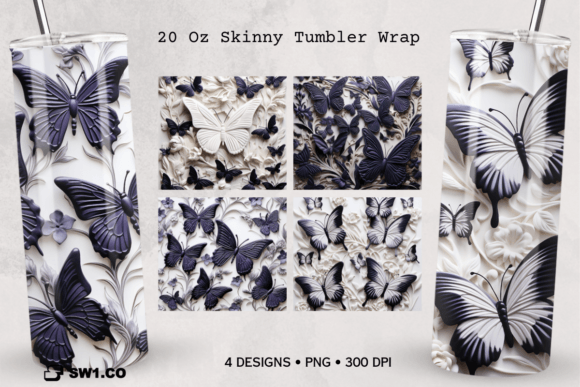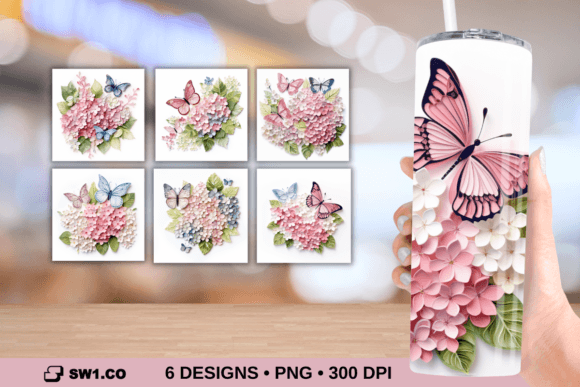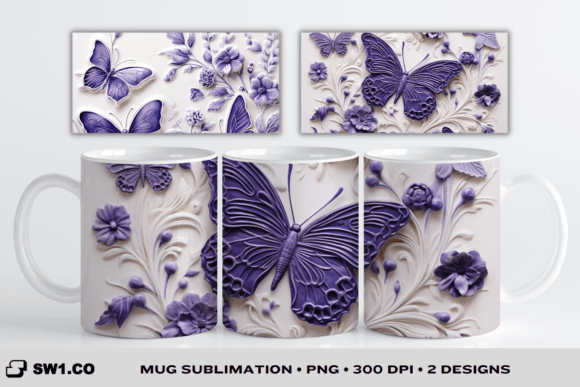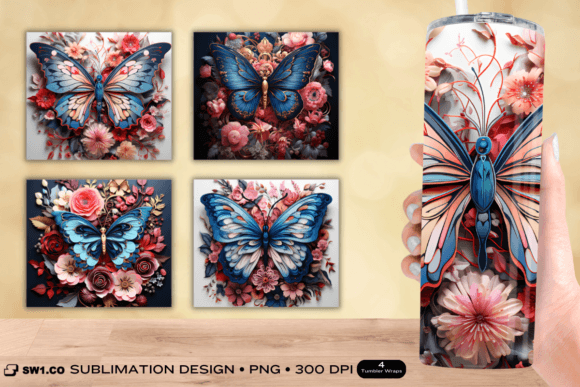
3D Paper Art Butterfly Tumbler Wrap PNG Review
As a designer who spends half my life troubleshooting stitch errors and the other half trying to make handmade goods look expensive, I don’t just buy digital files; I evaluate their potential. When 3D Paper Art Butterfly Tumbler Wrap PNG landed in my inbox, my first thought wasn’t about the file format, but about the finished product. The description highlights it as a high-quality sublimation design for a 20 oz skinny tumbler, but in the world of craft business and creative entrepreneurship, versatility is king. Can this graphic translate beyond the flat surface of a mug or bottle? Does it hold up when applied to textiles? This review breaks down how this specific asset performs when you move it from screen to fabric, focusing on real-world application for small business owners, Etsy sellers, and serious hobbyists.
First Impressions: Mood and Visual Personality
The term "3D Paper Art" suggests depth, texture, and a tactile quality that is often difficult to achieve in digital graphics, let alone embroidery. Visually, the design creates an immediate sense of whimsy mixed with structural precision. The butterfly motif is not merely a flat silhouette; the layering effect gives it volume. For a designer, this is crucial. When you are creating a handmade product, especially one intended as a personalized gift, the visual weight matters. A flat image can sometimes feel cheap on a garment, but a design with perceived depth invites the eye to linger.
This particular layout feels best suited for projects that benefit from a touch of elegance without being overly formal. It sits comfortably in the realm of boutique branding and nursery decor. The color palette implied by "paper art" usually leans toward soft pastels or crisp, clean contrasts, which makes it incredibly adaptable. Whether you are targeting the spring market with baby items or looking for a fresh aesthetic for summer accessories, the mood here is light, airy, and highly shareable on social media platforms like Instagram and Pinterest, where visual appeal drives sales.
Real-World Application: From Tumbler to Textile
While the primary use case listed is a straight tumbler wrap, any savvy Etsy seller knows that cross-pollination of designs is essential for maximizing profit margins. So, how does 3D Paper Art Butterfly Tumbler Wrap PNG behave when we imagine it on other surfaces?
Consider a custom embroidered tote bag. The vertical nature of a tumbler wrap translates beautifully to the long, narrow canvas of a tote. The butterfly’s wings can span the width, creating a striking focal point. In this scenario, the design functions less as a literal representation of a paper craft and more as a bold, artistic statement. It elevates a simple canvas bag into a fashion accessory, increasing its perceived value. Similarly, for sweatshirt embroidery or hoodies, placing this design centrally on the back or across the chest can create a trendy, oversized-graphic look that appeals to younger demographics.
For those in the baby embroidery niche, this design offers a softer alternative to traditional cartoon characters. The intricate details of the paper-art style add a level of sophistication that parents often seek for milestone gifts or nursery wall art. Imagine this wrapped around a swaddle blanket or printed on a muslin cloth; the delicate lines would read as fine and high-end. Furthermore, in the context of holiday embroidery, such as Easter or spring-themed events, the butterfly symbolizes renewal and growth, making it a thematically appropriate choice that resonates emotionally with buyers.
Technical Considerations for Embroidery Designers
If you are planning to convert this graphic into a machine embroidery design or use it as a reference for appliqué work, several technical factors come into play. The transition from PNG to stitched fabric requires careful planning. The "3D" effect in the digital file must be interpreted through thread colors and stitch types.
Stitch Density and Detail: The intricate lines of paper art can easily get lost if the stitch density is too low or if the fabric is too textured. If you are digitizing this yourself, you will need to ensure that the smaller details—like the veins in the wings—are represented clearly. A heavy fill stitch might obscure the delicate nature of the paper cutout look. Instead, a combination of satin stitch for outlines and lighter running stitch or applique design techniques might better preserve the original aesthetic. Always test the design on scrap fabric first to see how the threads interact with the base material.
Fabric Choice and Stabilizer: The success of this project hinges heavily on your substrate. Avoid thin or stretchy fabrics unless you are using a robust tear-away or cut-away stabilizer. Stretchy materials can distort the precise geometry of the paper art, causing the butterfly to look warped. Dark fabrics require careful consideration of thread colors; you may need an underlay or a contrasting background patch to ensure the design pops. Conversely, on light fabrics, the pastel tones inherent in paper art styles will shine, offering a clean, professional finish.
Hoop Size Constraints: Since this is designed as a wrap, it likely has a significant height-to-width ratio. Ensure your machine’s hoop size can accommodate the full length without requiring multiple re-hooping, which can lead to alignment issues. If the design is too large for a single hoop, consider breaking it into sections or using a multi-head machine for production runs.
Where to Use Carefully
Not every surface is created equal. While this design is versatile, there are pitfalls to avoid. Small hoop sizes may crop out important details, ruining the balance of the composition. Curved surfaces like caps or hats present a challenge; while a tumbler wrap is cylindrical, a cap is conical and curved in multiple directions. Attempting to force a flat wrap design onto a curved brim or crown can result in puckering or misalignment. Additionally, products that undergo frequent washing, such as kitchen towels or aprons, need durable stitching. If the design relies on very fine, sparse stitches, they may fray over time. In these cases, opting for a denser digitization is wise.
Impact on Brand and Customer Trust
In the competitive landscape of craft business and online marketplaces, presentation is everything. Using a high-resolution, well-composed asset like 3D Paper Art Butterfly Tumbler Wrap PNG signals professionalism. Customers can often tell the difference between a pixelated, generic clipart and a design with intentional structure and depth. When your finished product looks cohesive and polished, it builds trust. Buyers are more likely to leave positive reviews and return for future purchases if the item matches the printable mockup they saw online.
Moreover, the unique aesthetic of paper art helps your brand stand out. In a sea of standard floral or geometric patterns, a design that mimics physical texture and layering catches the eye. It suggests that you have put thought into the creative direction of your shop. For digital product sellers, offering this as part of a bundle with mockups can further enhance its appeal, showing potential buyers exactly how versatile the asset is.
Final Verdict and Practical Next Steps
Ultimately, 3D Paper Art Butterfly Tumbler Wrap PNG is a strong asset for designers looking to expand their offerings beyond basic text-based embroidery. Its strength lies in its visual depth and adaptability across various mediums, from drinkware to apparel. However, its success depends entirely on execution. Before committing to a large production run, remember to inspect the file for clarity, confirm licensing terms for commercial use, and rigorously test your digitization choices on the actual fabrics you plan to sell.
Whether you are creating a one-off custom apparel piece for a client or stocking your small shop product line with seasonal favorites, this design offers a blend of charm and sophistication that resonates with modern consumers. By treating it with the technical respect it deserves—checking your embroidery project setup, selecting the right design assets tools, and maintaining high standards—you can turn a simple digital download into a profitable, beautiful tangible good.